
What is the Feast of Bartholomew the Apostle?
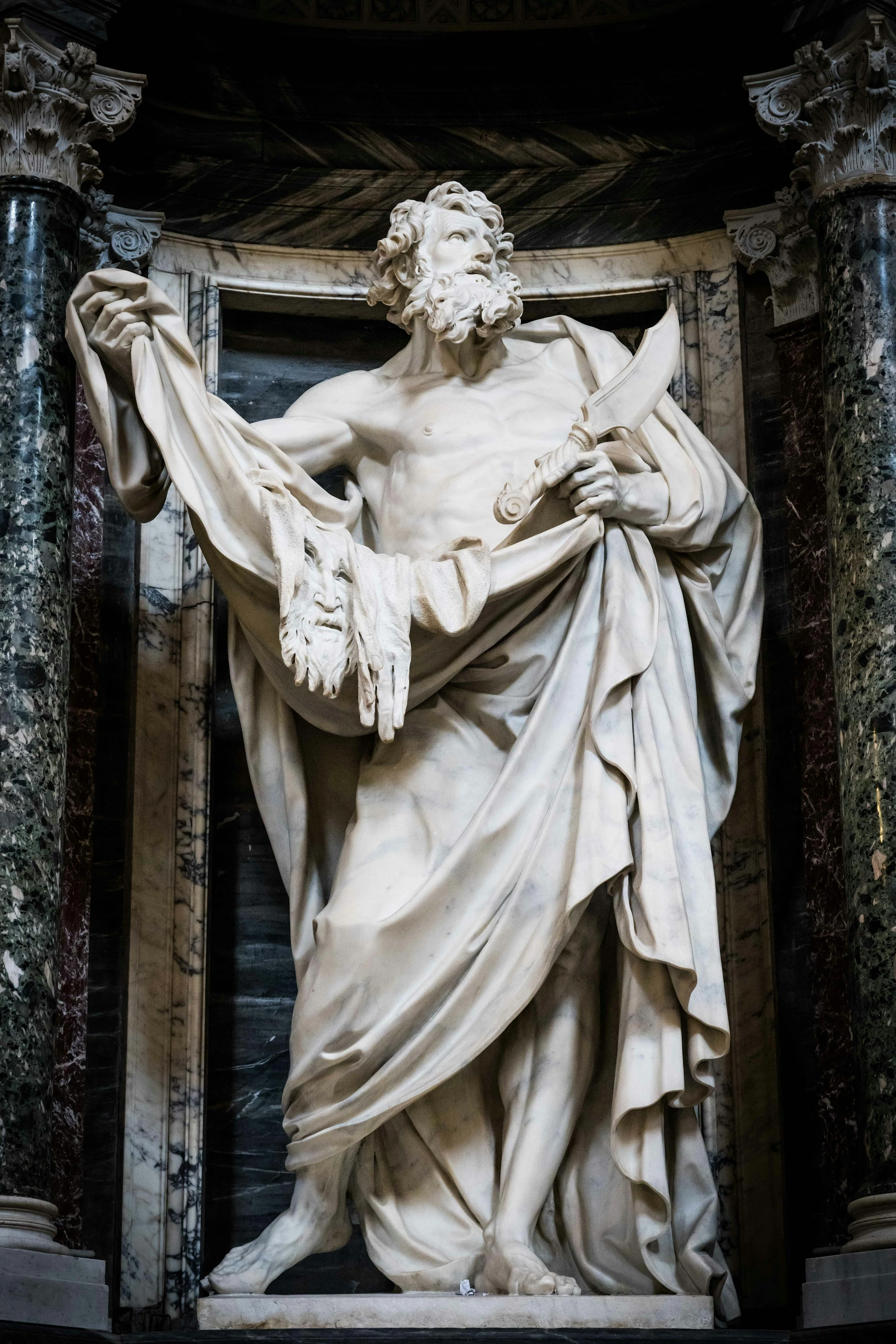
In the rhythm of the Anglican Church in North America’s (ACNA) liturgical calendar, the Feast of Saint Bartholomew the Apostle, observed on August 24, stands as a vibrant Red-Letter Feast Day, as designated in the Book of Common Prayer 2019 (BCP, p. 704). This principal holy day celebrates Bartholomew, one of Christ’s twelve apostles, whose story of honest faith and bold mission inspires Anglicans to live out the gospel. The feast calls for Holy Eucharist, adorned with red vestments to honor apostolic martyrdom. Through its collect, lessons, and preface, this observance invites the faithful to reflect on Bartholomew’s legacy and embrace their own call to proclaim Christ.
Biblical Portrait
Bartholomew appears in the New Testament’s apostolic lists: “Philip and Bartholomew; Thomas and Matthew the tax collector; James the son of Alphaeus, and Thaddaeus” (Matthew 10:3 ESV); “Andrew, and Philip, and Bartholomew, and Matthew” (Mark 3:18 ESV); “Simon, whom he named Peter… and Philip, and Bartholomew” (Luke 6:14 ESV); and “Peter and John… Bartholomew and Matthew” (Acts 1:13 ESV). His name, from Aramaic “Bar-Tôlmay” (son of Tolmai), often pairs him with Philip, hinting at a close association.
Church tradition identifies Bartholomew with Nathanael in John 1:45–51. Philip tells Nathanael of Jesus, “him of whom Moses in the Law and also the prophets wrote” (John 1:45 ESV). Nathanael’s skeptical reply, “Can anything good come out of Nazareth?” (John 1:46 ESV), gives way to faith when Jesus declares, “Behold, an Israelite indeed, in whom there is no deceit!” (John 1:47 ESV). Nathanael’s confession follows: “Rabbi, you are the Son of God! You are the King of Israel!” (John 1:49 ESV). This narrative of honest doubt transformed into bold belief shapes the feast’s spiritual focus.
Historical Traditions
Early sources, like Eusebius, claim he preached in India, leaving a Hebrew Gospel of Matthew. Armenian tradition recounts his mission there, converting King Polymius through miracles before being flayed and beheaded by Astyages for rejecting idolatry. Relics reportedly rest in Rome’s Church of St. Bartholomew-in-the-Island, inspiring art like Michelangelo’s Sistine Chapel depiction of the saint holding his flayed skin.
Collect of the Day
The collect sets the tone for worship:
Almighty and everlasting God, you gave your apostle Bartholomew grace truly to believe and to preach your Word: Grant that your Church may love what he believed and preach what he taught; through Jesus Christ our Lord, who lives and reigns with you and the Holy Spirit, one God, for ever and ever. Amen (BCP, p. 631).
This prayer seeks grace for the Church to mirror Bartholomew’s faith and mission.
Proper Lessons
The BCP’s lectionary appoints readings that illuminate apostolic calling (BCP, p. 731):
Old Testament: Deuteronomy 18:15–18 ESV – “The LORD your God will raise up for you a prophet like me… I will put my words in his mouth, and he shall speak to them all that I command him.” This foreshadows Christ’s prophetic role, extended through apostles.
Psalm: Psalm 91 ESV – “He who dwells in the shelter of the Most High will abide in the shadow of the Almighty… With long life I will satisfy him and show him my salvation” (Psalm 91:1, 16 ESV). It assures divine protection for God’s servants.
Epistle: 1 Corinthians 4:9–16 ESV – “God has exhibited us apostles as last of all, like men sentenced to death… I urge you, then, be imitators of me.” Paul’s hardships reflect Bartholomew’s martyrdom.
Gospel: Luke 22:24–30 ESV – “I am among you as the one who serves… I assign to you… a kingdom” (Luke 22:27, 29 ESV). Jesus’ teaching on servant leadership shapes apostolic ministry.
Proper Preface
The Eucharistic preface, used in the Holy Eucharist, declares:
Through the great shepherd of your flock, Jesus Christ our Lord, who after his resurrection sent forth his apostles to preach the Gospel and to teach all nations, and promised to be with them always, even to the end of the ages (BCP, p. 155).
This preface, connecting to the Great Commission (Matthew 28:19–20 ESV), leads into the Sanctus, uniting worshippers with heavenly praise.
Contemporary Observance and Reflection
Parishes mark the feast with Eucharistic celebrations, often featuring processions, hymns like “For All the Saints,” or sermons on Nathanael’s encounter as a model for navigating doubt with faith. The BCP’s propers guide worship, while historical notes inspire reflections on global mission. Families might read John 1:45–51 ESV or pray for missionaries, aligning with ACNA’s church-planting ethos, and prompt intercessions for persecuted Christians.
The feast reinforces Anglican apostolicity, affirmed in the BCP’s creeds and ordinals. In a skeptical age, Bartholomew’s example challenges believers to embrace honest inquiry and proclaim Christ boldly, trusting in divine grace.
Conclusion
The Feast of Saint Bartholomew the Apostle, rooted in the 2019 BCP, invites ACNA worshippers to celebrate a disciple whose faith and sacrifice echo through the ages. It bridges scripture and tradition, urging the Church to love and preach the gospel. As we pray the collect and hear the lessons, may we, like Bartholomew, respond to Christ’s call with unwavering commitment.